What We Carry
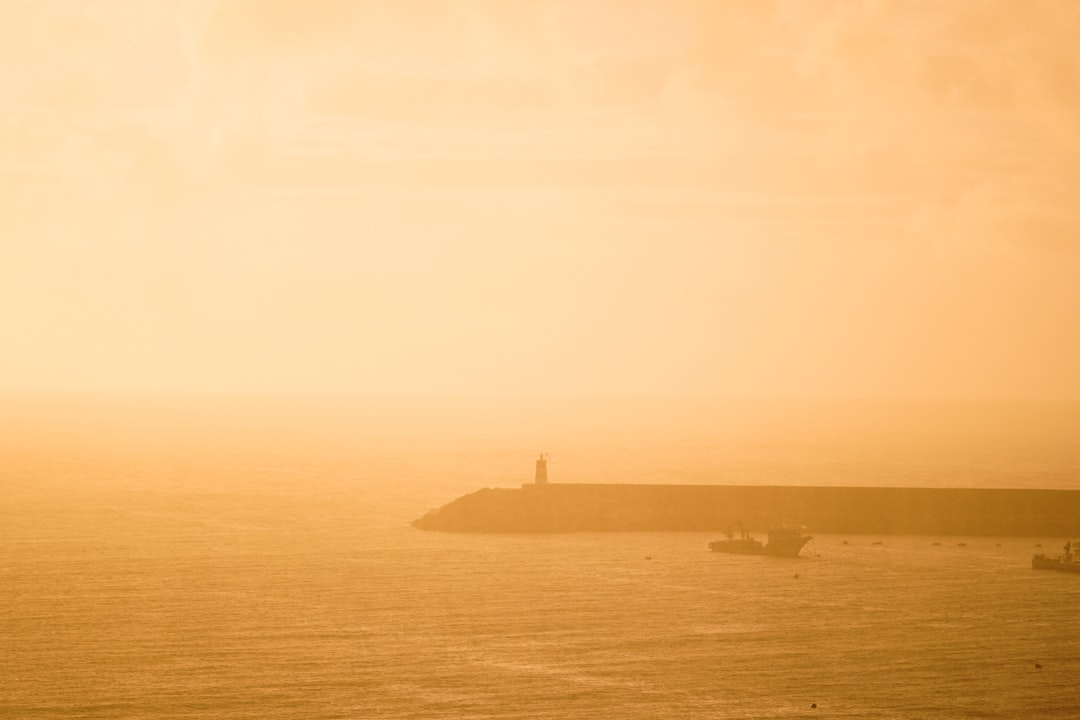 Photo by Tino Rischawy on Unsplash
I ran my fingers across the table’s surface, gathering a thick crust of ash that crumbled and slipped off once I reached the edge. I wiped the residue on my trousers, adding one more stain to an eclectic collection that already included blood— not mine —snot, rust, and worse. Hard to believe the fires had been burning for nine straight months with no respite in sight—judging by the cloudless sky and the air’s almost nonexistent humidity.
It reminded me that I still needed to find something absorbent for my aspirator if I hoped to survive the three-hour trek to the launchpad. I’d learned that Kotex hygienic pads worked best at filtering out all the airborne grit. If memory served, that had been my mother’s preferred brand—until menopause hit her early, at thirty.
Most of my family and neighbors had already fled Chapel Hill earlier this year. If not for my job at the water-purification plant—and our futile attempts to get clean drinking water to the stubborn few who refused to abandon their homes—I would’ve left long ago. Once the major rivers and aquifers dried up, it became painfully obvious we were only delaying the inevitable. No matter how fast we drilled for new water tables, within days they’d be sucked dry, and the pipes left choked with the sticky, gum-like soil that plagued the region.
“How can I leave the house where I grew up?” the old-timers would ask. “My grandfather built this place with his own hands, and my father was raised here, and so was I. If it weren’t for this dang blight, the dried-up rivers, and the fires scorching the land, my daughters would’ve grown up here too!”
I couldn’t argue with them. They’d watched me grow up in this same town they now so reluctantly prepared to leave. Even my own mother refused to abandon the place where so many of our relatives were born and buried—the same place where my father had been laid to rest not long ago under seven feet of that sticky dirt now clogging the arteries of our systems.
It was only when she began hacking up a brownish-red mud every time she coughed that I finally convinced her to go. I still hadn’t received word about her trip or whether she’d even reached her final port of call. But she’d made me swear, right before boarding, that I’d pay my last respects to my father and bring some of his belongings before sealing up our home.
“What’s the point of boarding up the house?” I’d wanted to ask. “It’s not like anyone’s going to move in.” But I didn’t have the heart to crush her last bit of hope—that someday our house, our land, hell, our entire planet might once again be hospitable to humans.
“Goddamn politics,” I muttered. Had they only listened to the warnings about climate change—if they’d curbed their greed instead of stripping away environmental protections so some senator could pocket a check from a coal or oil lobbyist—maybe we could’ve saved our world. Maybe.
“Gah.” I waved at no one as I adjusted my aspirator and picked up the bag at my feet. Who was I kidding? It was too late for anything now. Everyone who could afford an interplanetary ticket had left when the rivers first dried up, or at least moved to rural pockets where rumor claimed clean water still existed. But the surge of people into the countryside only pushed our already failing water infrastructure past its breaking point. No water meant no irrigation. No irrigation meant food shortages everywhere.
By the time the W.H.O. declared a global famine, governments finally set aside their differences and began the mandatory evacuation of the entire human population—whether people liked it or not. That’s when the true exodus began.
I remember August feeling like what I’d learned life was like near the Arctic Circle—daylight that never ended. The night skies glowed for weeks with the flames of thousands of rockets carrying hordes of unwilling space refugees, each limited to a single miserable cubic foot of baggage. As if anyone could cram an entire life into a 3×3×3 container. Still, it was a marvel how quickly entire continents were emptied in just a few months.
If I were a betting man—which I’m not—I’d say the promise of untouched land, the chance to carve out a kingdom of one’s own, had a lot to do with it. Yet even then, some held on, clinging to the idea that a miracle might still happen, that the planet might heal overnight. Those stragglers kept me working long past the point when the fires, drought, and sandstorms made rocket launches a dangerous gamble.
And so here I was, clutching a small burlap bag with some of my father’s belongings in one hand and gripping my one-way ticket deep in my trouser pocket with the other. I took one last look at the place where I’d been born almost forty-six years ago, trying to fix the scene in my memory—one final glimpse of what had once been a vibrant, colorful habitat, now reduced to a rust-colored wasteland.
I could still make the trek to catch the last rocket bound for humanity’s new home—a place our scientists had kindly nicknamed Earth.
Copyright © Og Maciel. All rights reserved.
“What We Carry” is an original work of fiction by the author. No part of this story may be reproduced, distributed, shared, modified, adapted, or sold in any form without the author’s explicit written permission.